Sutradhar
Documenting the stories of the textile workers at ABC Sector-29, Panipat, helping them claim the Haryana Labour Welfare Fund and ESIC benefits they are entitled to, and teaching the digital skills they need to track a claim.
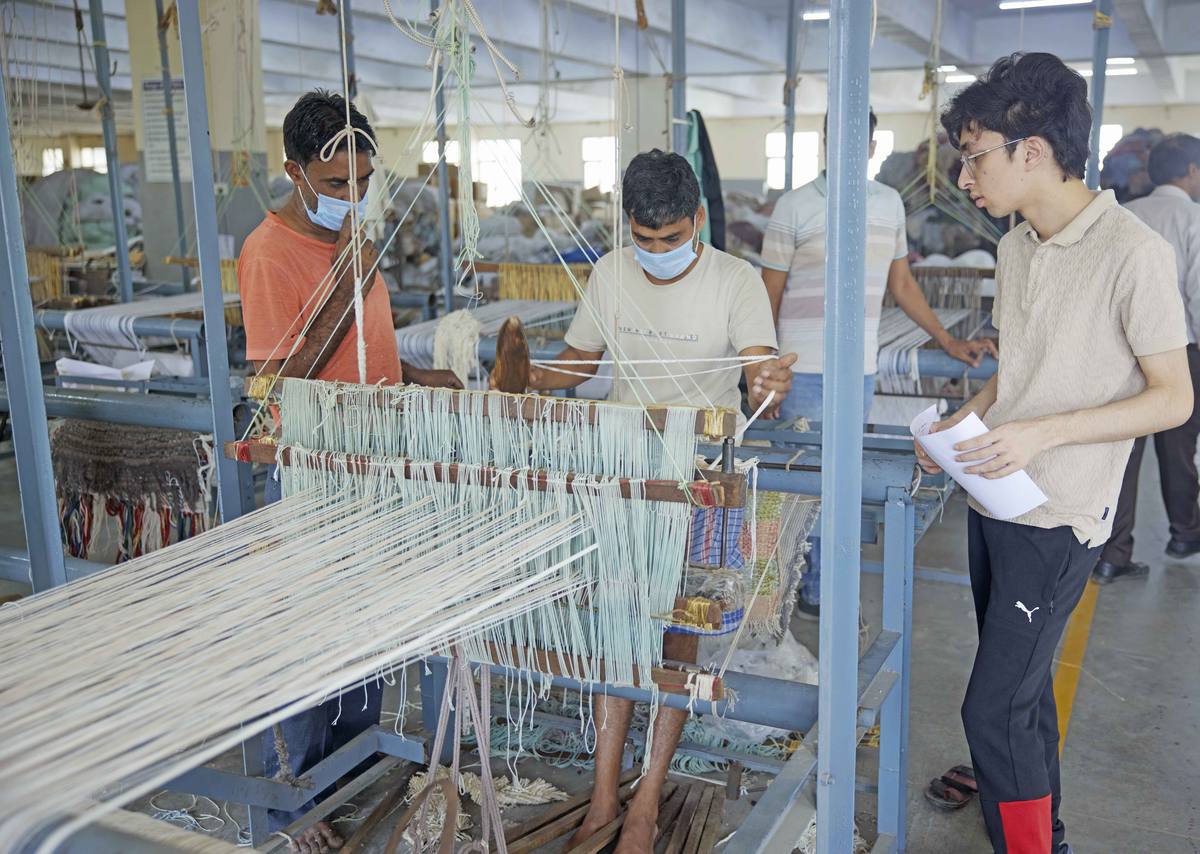
Three things, one visit
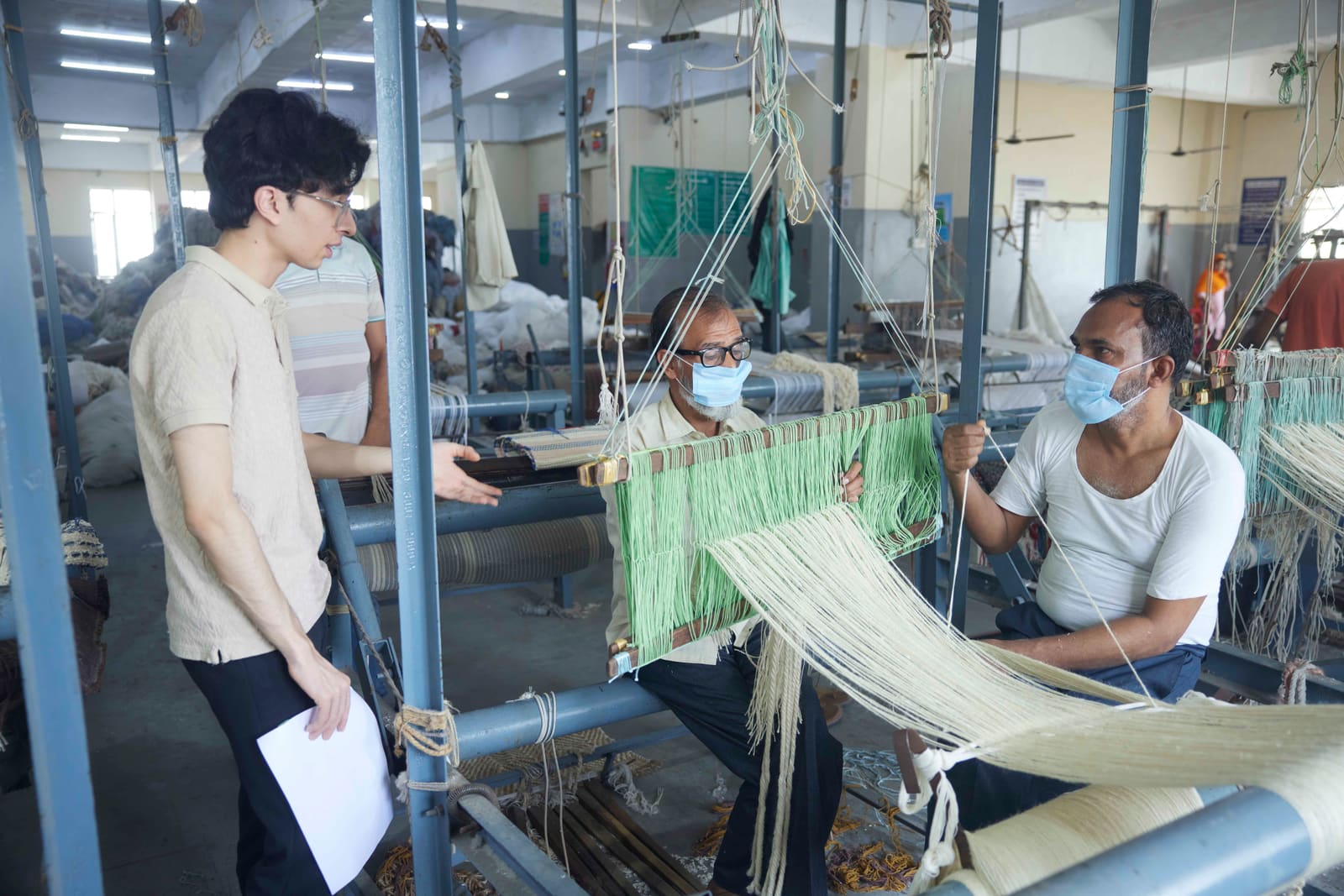
Each session at the ABC Sector-29 factory in Panipat tries to cover all three — record a worker's story, explain what LWF and ESIC owe them, teach one phone skill. Two hours, sometimes more if there's time.
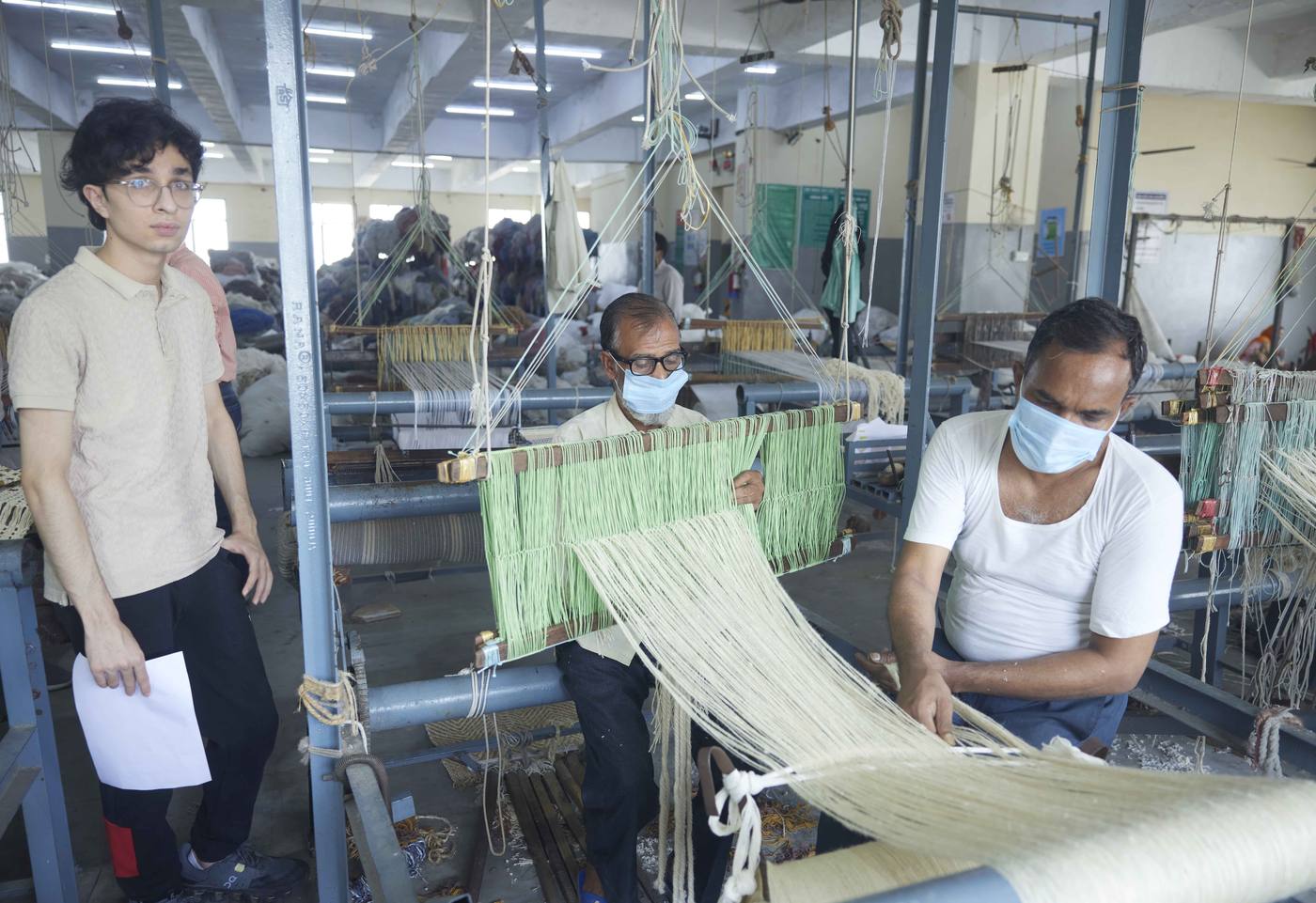
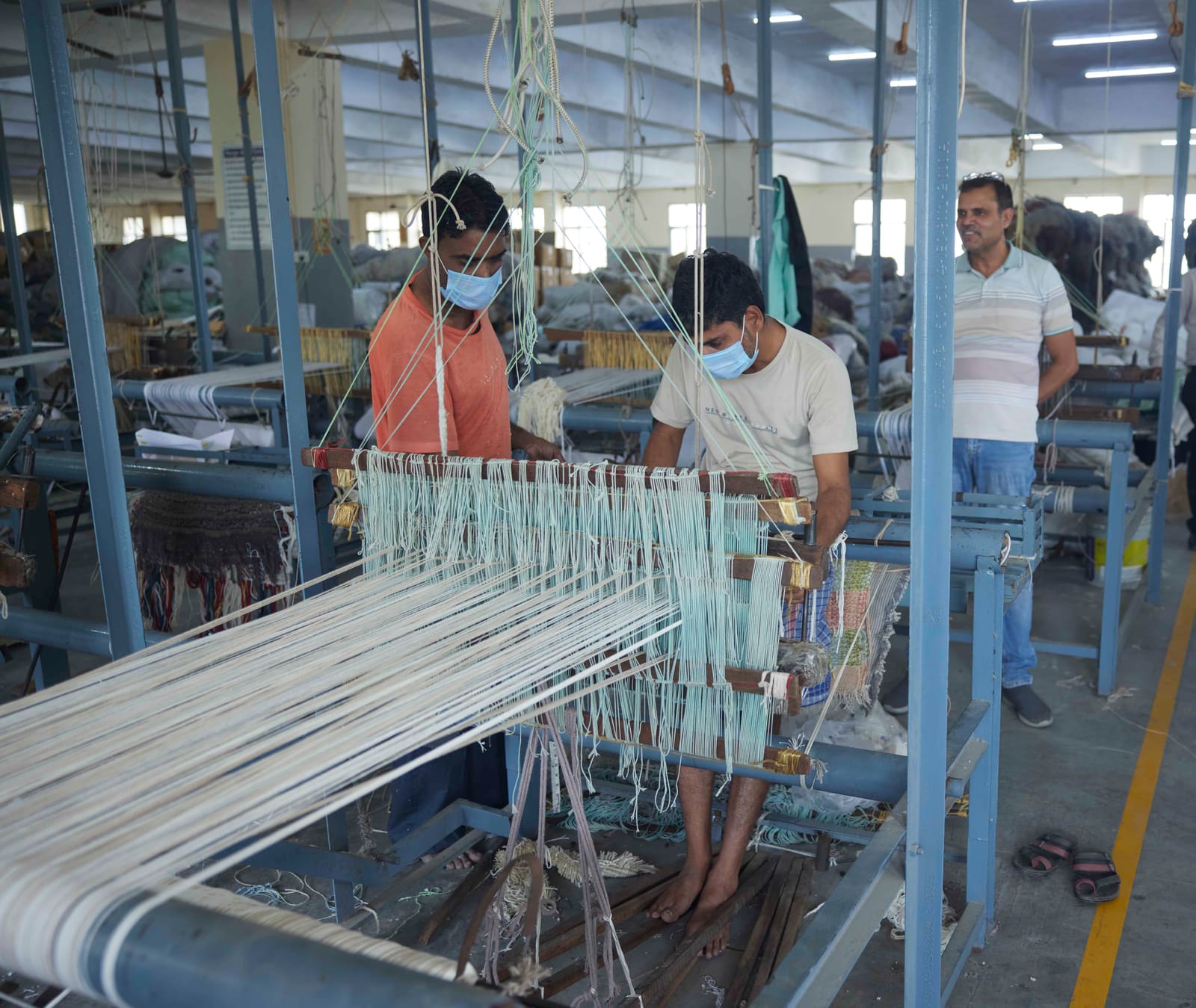
Panipat's handloom workforce has fallen by more than half in a generation. The pit-loom techniques, the specific vocabulary of design decisions — all of it is disappearing with the people who carry it. No one is writing it down.
This pillar is a permanent record. Each worker gets a profile — a conversation in Hindi at their own loom, written up as a narrative, with every welfare benefit they have claimed checked against the LWF register. Not a survey. An actual account of a person and their work.
The archive covers workers at ABC Sector-29, Panipat — weavers, machine operators and attendants. Every benefit amount in a profile is checked against the LWF register before it is published.
- Conversation at the Loom20–30 minutes in Hindi, at the worker’s own loom, written up as notes
- Register CheckEvery benefit the worker mentions is matched to its application number in the LWF register
- Written Worker ProfileA short narrative of the worker, their work and their claims, published on this site
- Follow-up on the Next VisitAnything still unclaimed is noted in the Weaver Register for next time
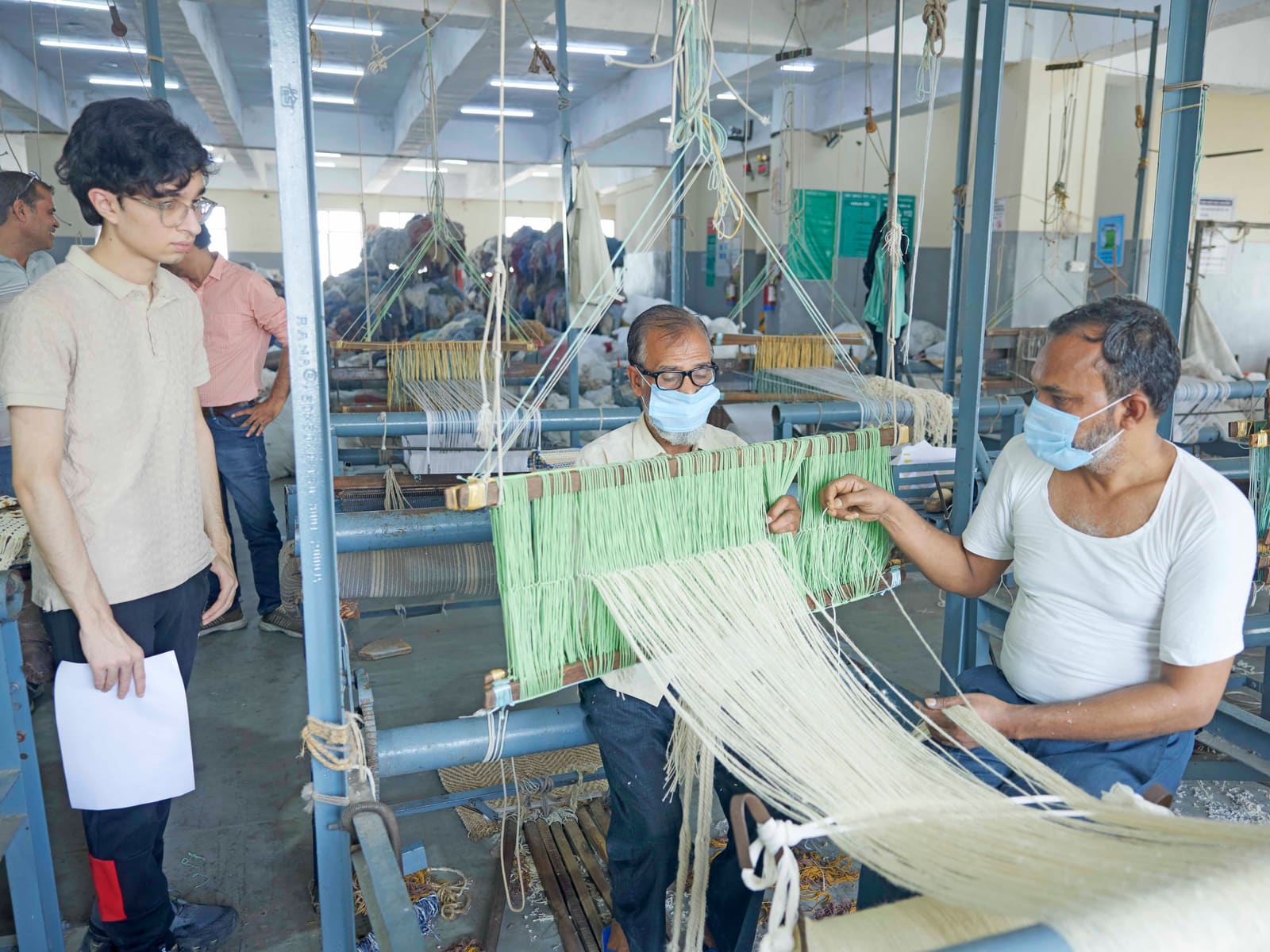
Every month a Labour Welfare Fund contribution comes out of a factory worker's wages. Most workers think of it only as a deduction. Few know it also pays out — school uniforms and books for their children, scholarships, a bicycle, maternity support, leave travel, dental care — and that retired workers can take lifetime ESIC medical cover for ₹120 (~$1.43) a year.
Every session includes a 30-minute Hindi walkthrough of the LWF schemes most relevant for that group, plus a one-on-one check of what each worker has and hasn't claimed and, where possible, help filling the application on the spot. Everyone leaves knowing what they qualify for, even if we can't always finish the paperwork that day.
- LWF Overview (30 min, group)2–3 most relevant LWF schemes explained in Hindi
- Eligibility Check (per worker)Quick checklist of past and possible claims — logged in the Weaver Register
- Assisted ApplicationDocuments checked and the LWF application filled with the worker
- Hindi Reference Card1-page printed card: LWF scheme names, amounts, eligibility, where to apply
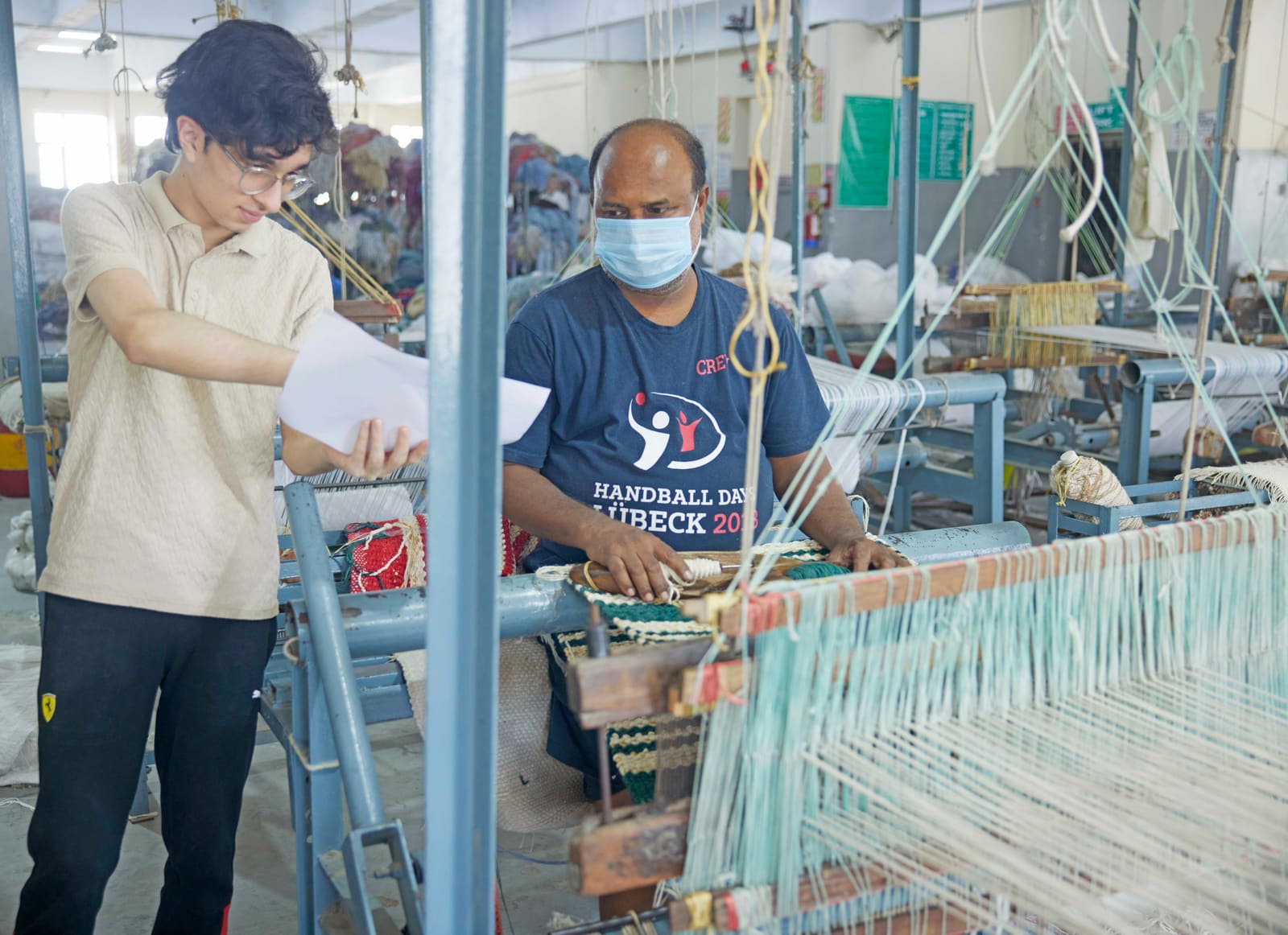
Labour Welfare Fund applications are filed and tracked online. Yet many workers at the factory have phones they use only for calls. Sutradhar's phone sessions are short and practical — each one teaches only what a worker needs to keep track of their own LWF claim.
Progress is tracked per worker in the Weaver Register across visits.
- Visit 1 — Phone BasicsSaving an application number, photographing a document, reading a bank SMS
- Visit 2 — Documents ReadyKeeping copies of what an LWF application needs, in DigiLocker or on the phone
- Visit 3 — Checking a ClaimLooking up the status of an LWF application online
- Visit 4+ — Filing With Less HelpThe worker does the steps for their next claim; Sutradhar only checks
LWF & ESIC Benefits
The benefits covered in Sutradhar sessions at ABC Sector-29, Panipat. Amounts and claim counts are taken from the LWF register. Confirm current eligibility at hrylabour.gov.in or the ESIC regional office, Panipat.
The register records 692 claims across 10 LWF scheme types, paid to 298 workers — ₹44,87,500 (~$53,423) in all. The counts on each card below are live from that register.
Worker Profiles
Profiles of weavers, machine operators and attendants at ABC Sector-29, Panipat — their stories, the Labour Welfare Fund benefits they received, and what knowing about those schemes changed. Every amount is checked against the LWF register. Quotes are paraphrased from interview notes, not word-for-word.
The numbers
behind the work
Two entitlements, one factory. The Labour Welfare Fund pays out during a worker's career; ESIC medical cover after retirement keeps them looked after for life — for ₹120 (~$1.43) a year.
| Benefit | Workers | Typical amount | Total |
|---|---|---|---|
| Haryana Labour Welfare Fund | 298 workers | ₹1,500 (~$18) (LTC) to ₹15,000 (~$179) (scholarship, maternity) per claim | ₹44,87,500 (~$53,423) across 692 claims |
| ESIC Medical After Retirement | 12 workers | ₹120 (~$1.43)/yr premium · lifetime cover | OPD + IPD + medicines for life, once eligibility is confirmed |
| 2 benefits | 310 workers | — | ₹44.9L (~$53,423) |
Every benefit claim in the register: scheme by scheme, by register file, by how many benefits each worker received, and over time. The figures are calculated in the database from the claims and update as the register grows. No individual names are ever shown here.
12 retired workers
listed for lifetime medical cover
ESIC Medical Benefit After Retirement gives workers who have been in insurable employment for 5+ years access to lifetime medical care at all ESIC hospitals for just ₹120 (~$1.43) per year. It is one of the most underused ESIC entitlements. These 12 workers — retired from Sampling, Weaving, Maintenance, Passing, Yarn Godown and Security departments at age 57–58 — are on the retirement list Sutradhar worked from at ABC Sector-29. Five clearly meet the 5-year rule; seven have 3–4 years of recorded service and need their eligibility checked.
| Name | Department | Age at Retirement | Service | Status |
|---|---|---|---|---|
| Balwan Singh | Sampling Attendant |
58 | 12 yrs | Qualifies |
| Virendra Singh | Sampling Attendant |
58 | 10 yrs | Qualifies |
| Heera Lal | Maintenance Mechanic |
58 | 9 yrs | Qualifies |
| Randhir Singh | Passing Helper |
58 | 6 yrs | Qualifies |
| Pramod Kumar Sharma | Maintenance Mechanic |
58 | 6 yrs | Qualifies |
| Omkar | Weaving Machine Operator |
58 | 4 yrs | Verify 5yr rule |
| Devender Kumar | Passing Helper |
58 | 4 yrs | Verify 5yr rule |
| Chander Pal | Weaving Machine Operator |
58 | 3 yrs | Verify 5yr rule |
| Anil Kumar | Yarn Godown Supervisor |
58 | 3 yrs | Verify 5yr rule |
| Rajkumar Goswami | Weaving Machine Operator |
57 | 4 yrs | Verify 5yr rule |
| Parhlad Singh | Yarn Godown Helper |
57 | 4 yrs | Verify 5yr rule |
| Ram Kumar | Security Guard |
58 | 4 yrs | Verify 5yr rule |
* Workers with less than 5 years of recorded service are advised to verify eligibility with the ESIC regional office, Panipat, before submitting Form 37. Exact birth, joining and retirement dates are held in the admin register and are not published here.
Why I started this

Gupta
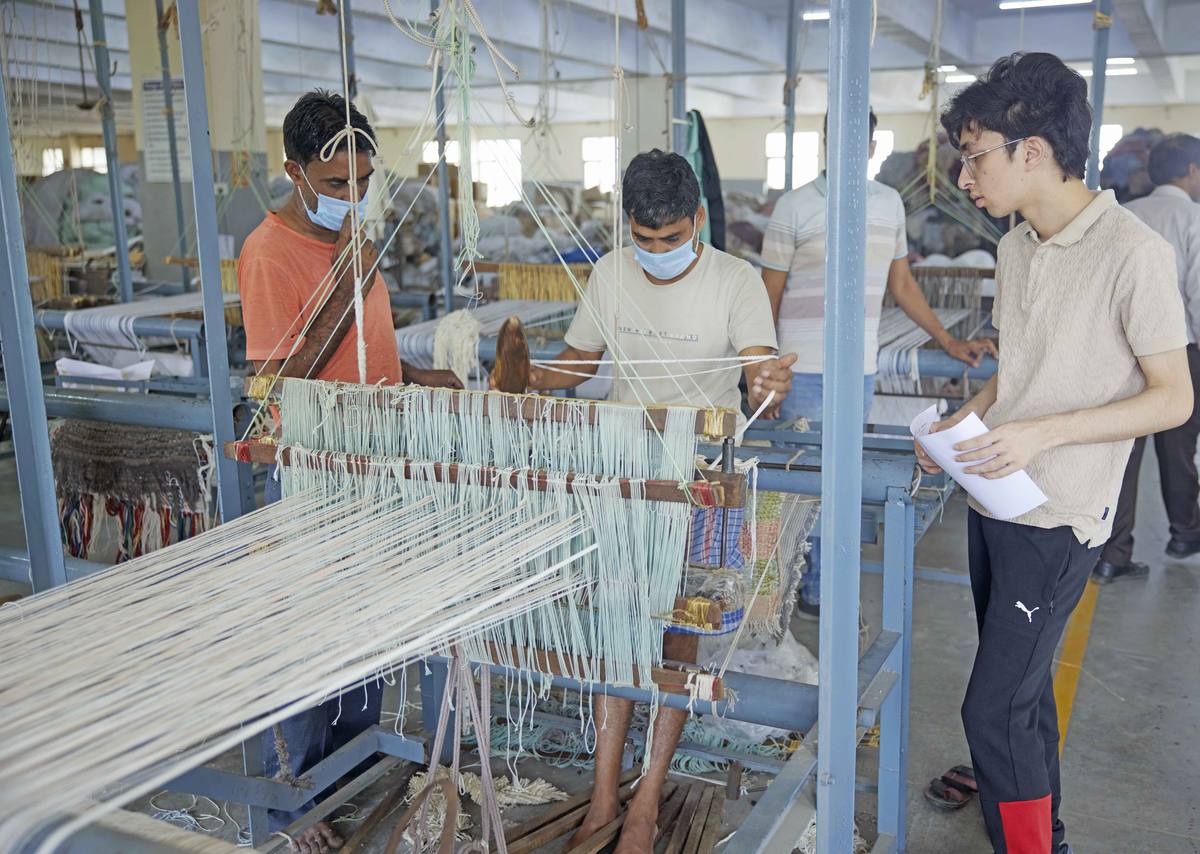
It started with a buying trip. I'd gone with someone from the trade to a weaving factory in Panipat's textile cluster — one of those sprawling places where trucks back in and buyers walk the floor with sample cards checking quality and GSM counts. I was there to look at fabric, basically.
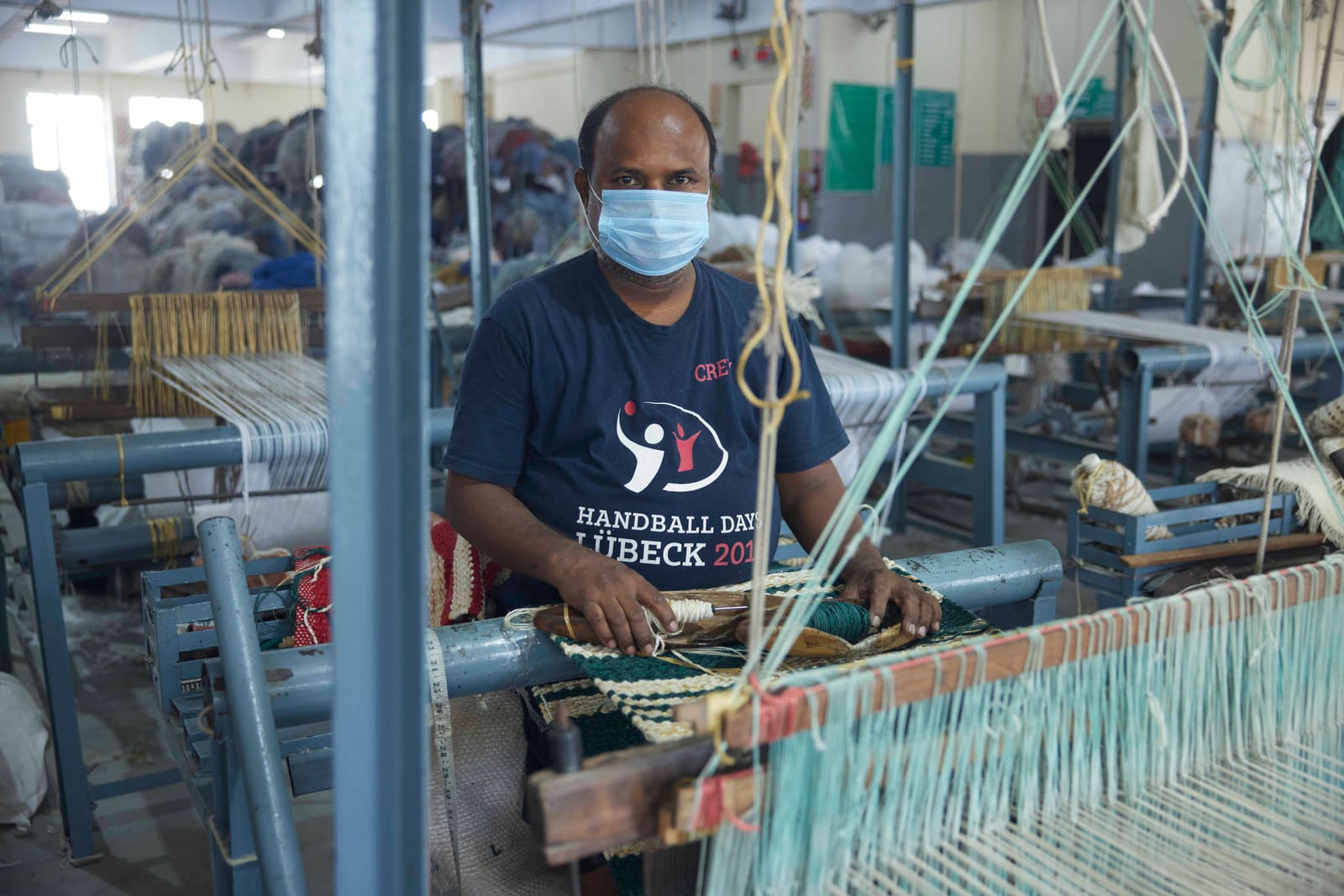
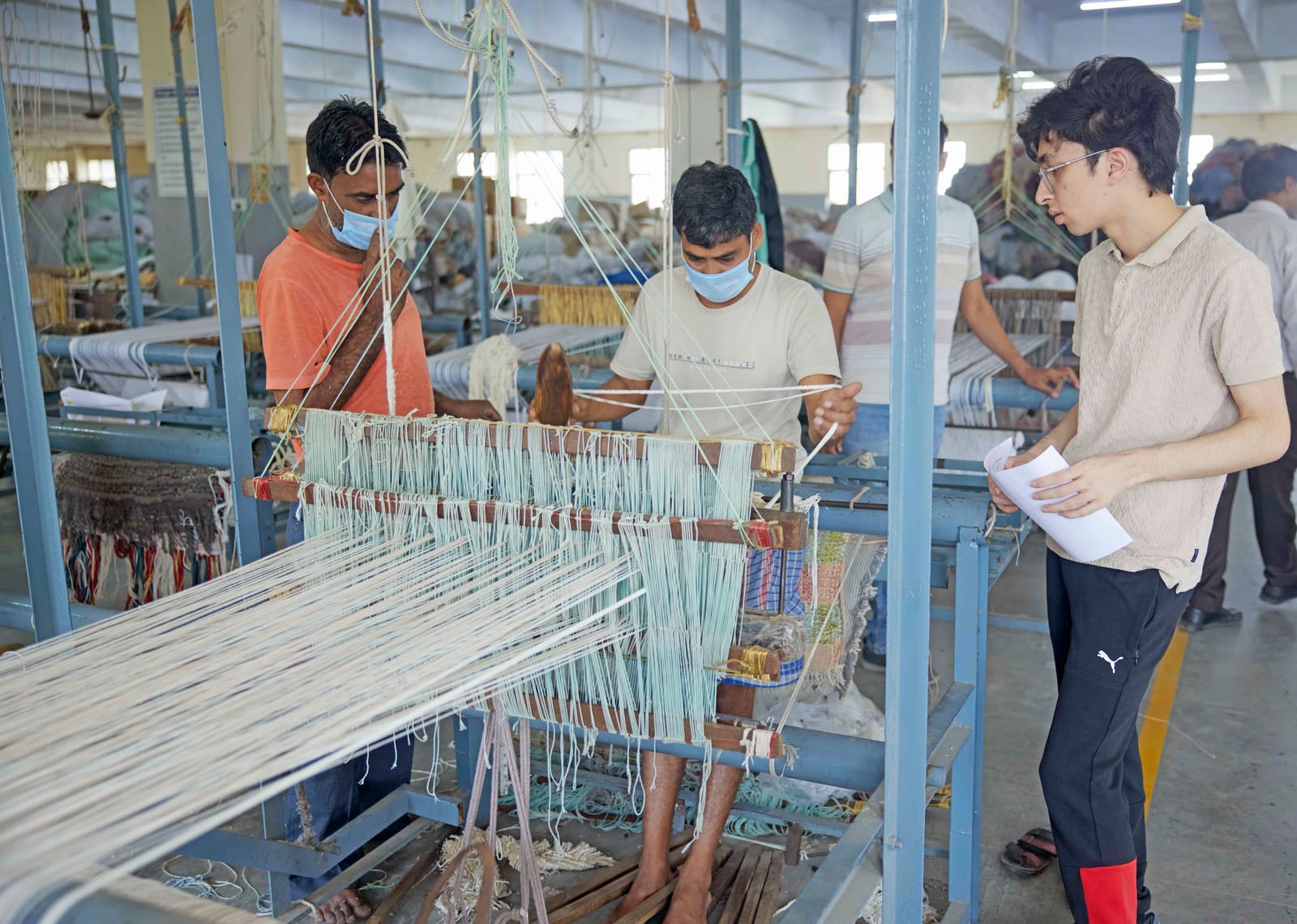
I wasn't paying much attention to the workers at first. Then I stopped near one loom and just watched for a minute. The man weaving had hands that moved faster than I could follow. He'd been doing this for over thirty years, he said when I asked. A darri pattern I'd seen selling in Jaipur at twice what he'd earn from it.
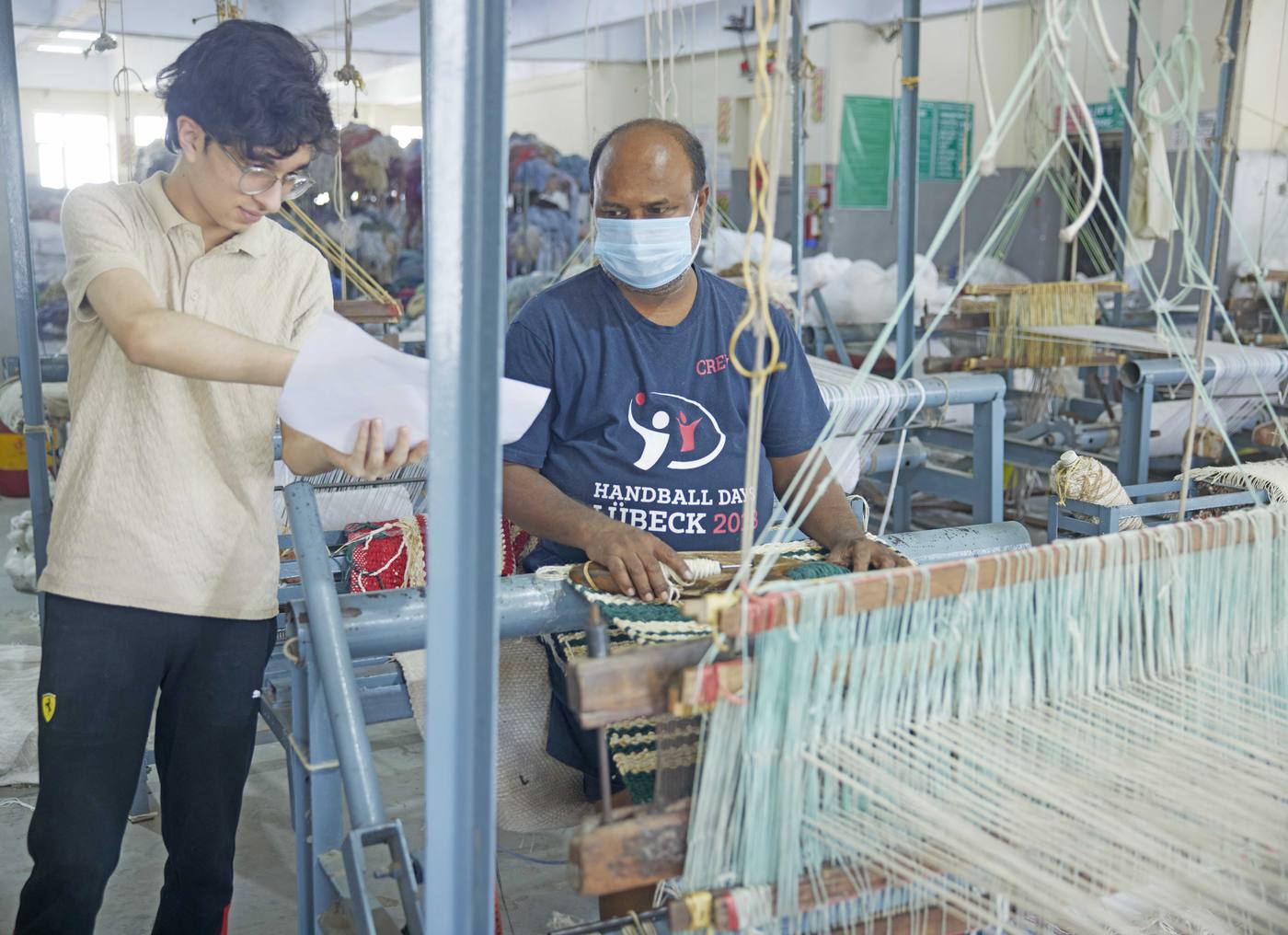
I kept thinking about it on the drive back. Not just the benefit gap — though that's real and fixable — but the fact that the pattern he was weaving would disappear when he retired. No archive, no record, no one had ever asked him how he learned it or what it meant to him.
That's what Sutradhar is. Not something I planned. More like something I couldn't stop thinking about until I started doing it. The three pillars — worker stories, LWF and ESIC awareness, digital literacy — came from realising that each gap made the others worse. No claim without phone skills. No phone motivation without something concrete to claim. No point in any of it if the person's actual knowledge vanishes anyway.
I'm not sure how far this goes. But it felt wrong to see what I saw and just drive home.
The word comes from Persian via Urdu. It doesn't just mean skill — it carries the sense of something learned slowly, passed down, earned. A weaver's hunar is not just his ability to thread a loom. It's the pattern vocabulary in his head, the eye that knows when a selvedge is off, the rhythm that comes from thirty years of practice that you can't put into a manual.
This pillar exists because hunar is fragile. It lives in people, not in machines or files. When a weaver retires with no one to teach and no record made, that specific knowledge — those specific patterns, that specific understanding of material and tension — is gone. Permanently. Sutradhar's documentation work is about making it last: conversations in Hindi at the loom, written up as profiles that keep not just what workers make but how they think about making it — alongside the benefits they have claimed.
From Arabic, through Urdu. Haq means right — but not in the legal abstract. It means what is owed to you. What you deserve. What no one can rightfully withhold. When you say yeh mera haq hai — this is my right — you are not asking. You are stating a fact about the world.
Panipat's factory workers have haq to scholarships for their children, to uniforms and books, to maternity support, to lifetime medical cover after retirement. These are not favours — they are entitlements funded by their own contributions, waiting to be claimed. Many go unclaimed because no one explained them in a language and form the workers could use. That is what this pillar fixes: group sessions in Hindi, one-on-one claim checks, and help filling the application on the same day where possible.
Haath means hand. A weaver's hands are literal — calloused, precise, constantly moving. But haath also means capability. To have haath in something is to have a hand in it, to be able to reach it, to do something yourself. Sutradhar's third pillar is about that kind of reach: being able to follow your own claim on your own phone.
Every LWF claim is filed and tracked online, and every one needs the right documents ready. Without those skills, haq stays theoretical. Haath is what makes the other two pillars actually work in practice — not as concepts, but as money in a bank account and an application you can follow on your own phone.
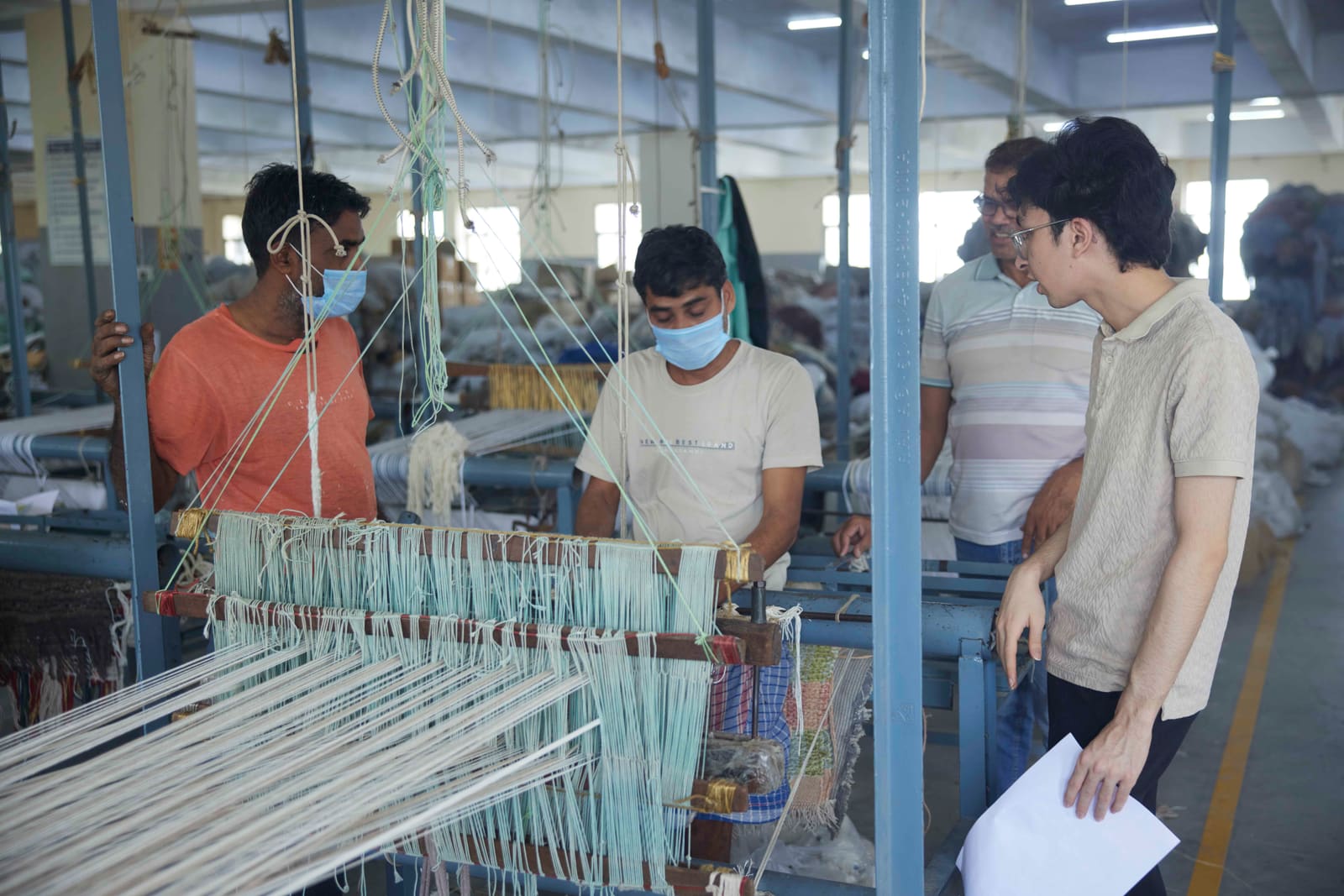
- Late 2024First visit to the ABC Sector-29 factory in Panipat — a buying trip that became something else. Went back the following week with a notebook. Interview methodology put together.
- Jan 2025First LWF claims filed with workers at the factory — the earliest entries in the register date from January 2025.
- Oct 2025Archive site built and launched.
- Dec 2025Phone-skills sessions begin, starting with DigiLocker. Weaver Register launched to track progress.
- 2025–26LWF register compiled from the factory's claim files — 692 claims, ₹44,87,500 (~$53,423), plus the ESIC retirement list.
- OngoingProfiles continue. More LWF and ESIC sessions planned at the factory through 2026.